
 Hip Problems + Treatments
Femoroacetabular impingement (FAI) happens when the shape of the hip bones causes extra rubbing inside the hip joint. This rubbing places pressure on the labrum and cartilage, leading to pain and joint damage over time.
Office Appointments and Telemedicine with Dr. Carreira

You can also book an office appointment or a telemedicine visit by calling Dr. Carreira’s office at 404-355-0743. Book now.
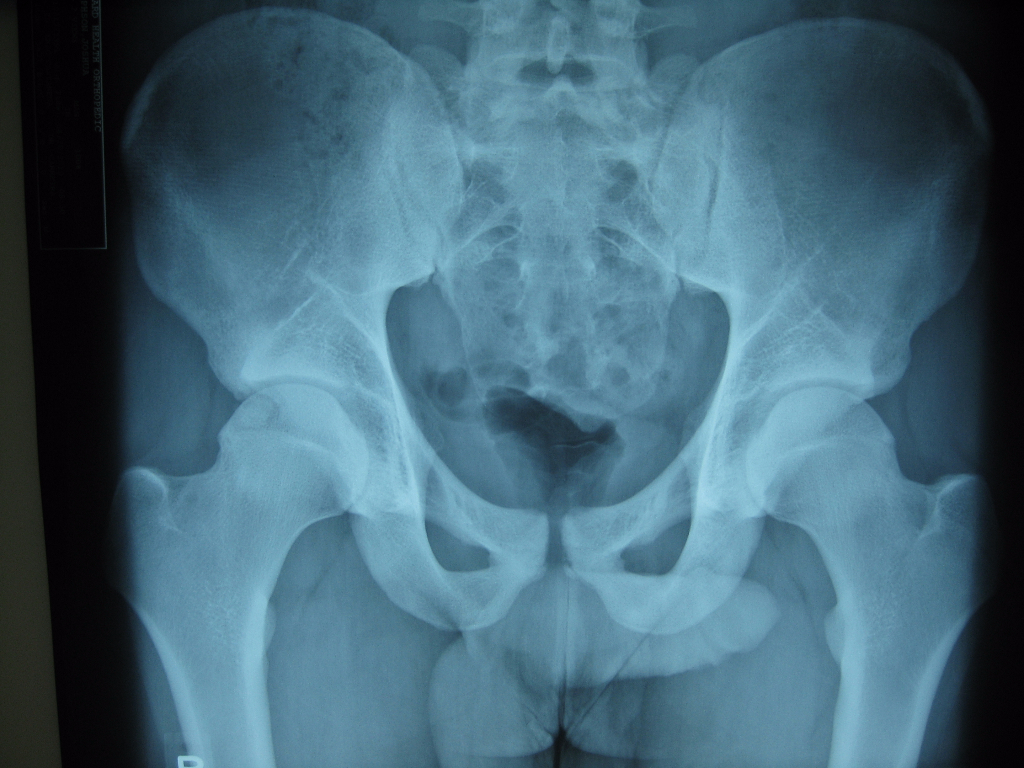
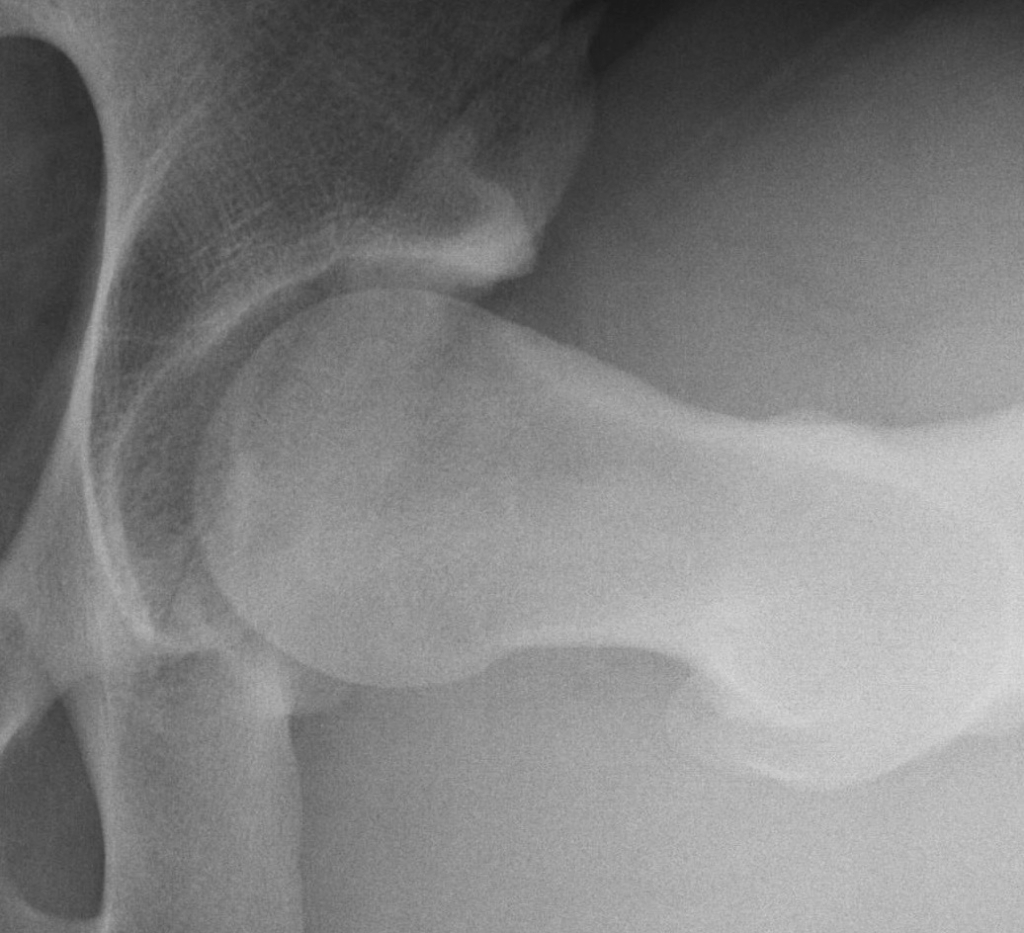
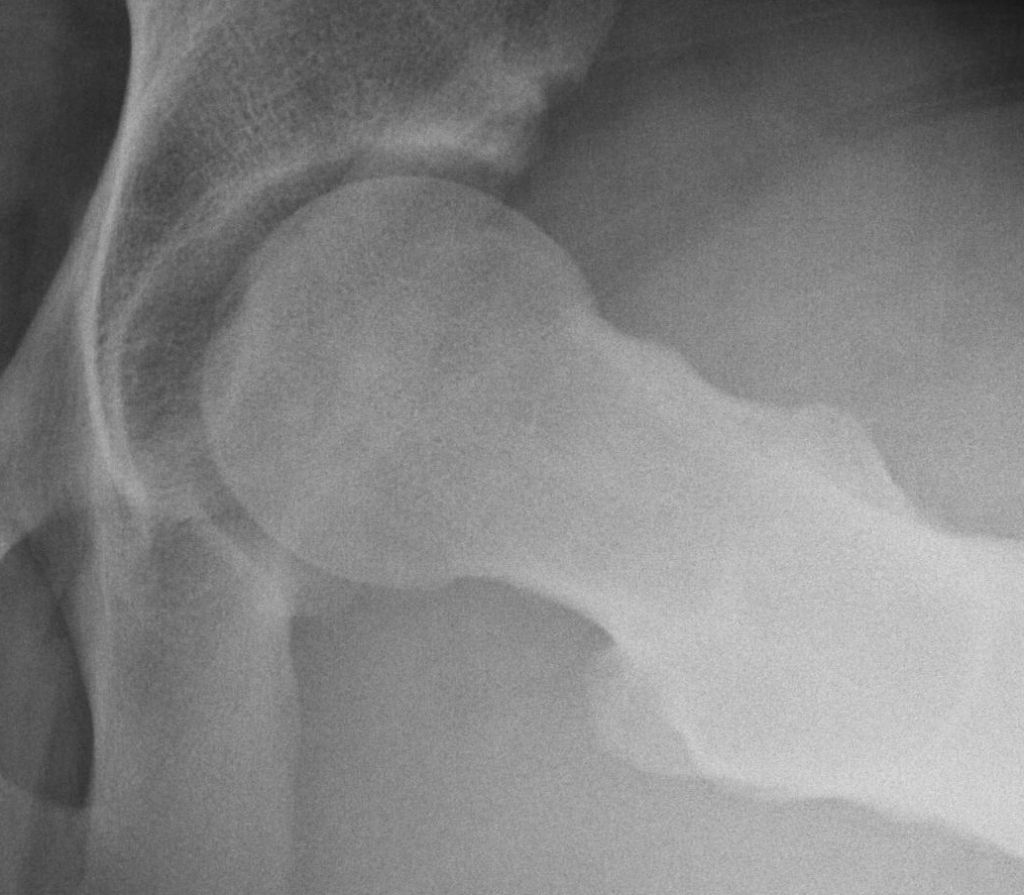
The X-ray below shows “CAM impingement”, where the ball part of the hip joint is not perfectly round.
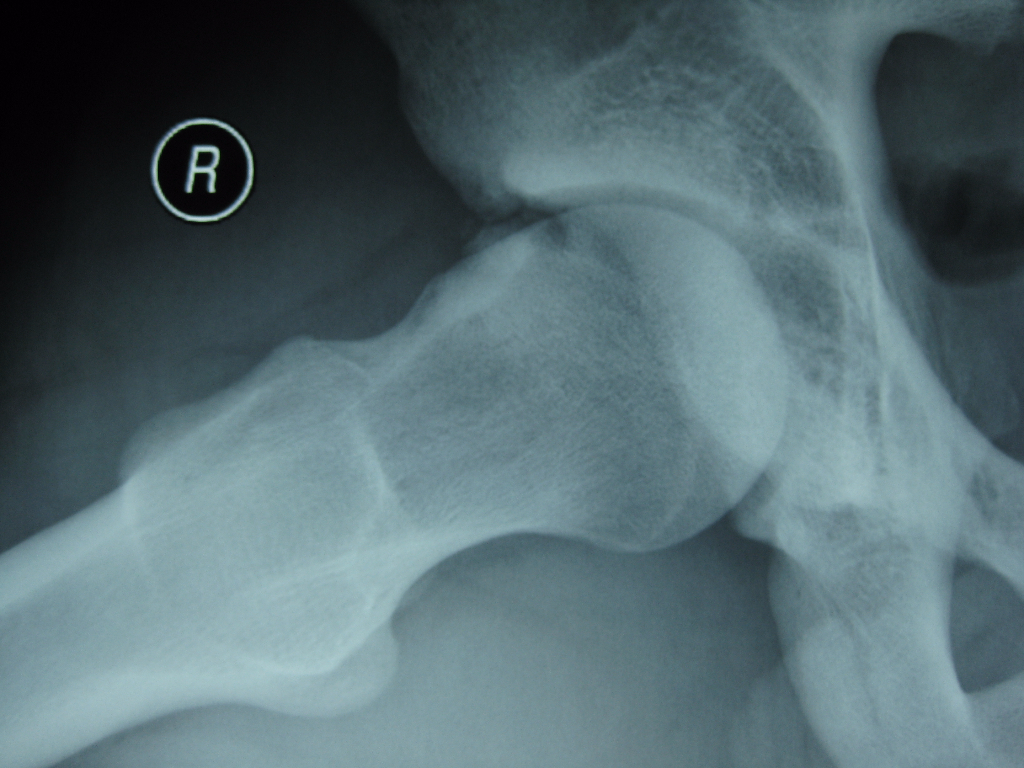
“Pincer impingement” occurs when the hip socket covers too much of the ball part of the joint, causing additional damage.
Some patients have both CAM and pincer impingement at the same time.
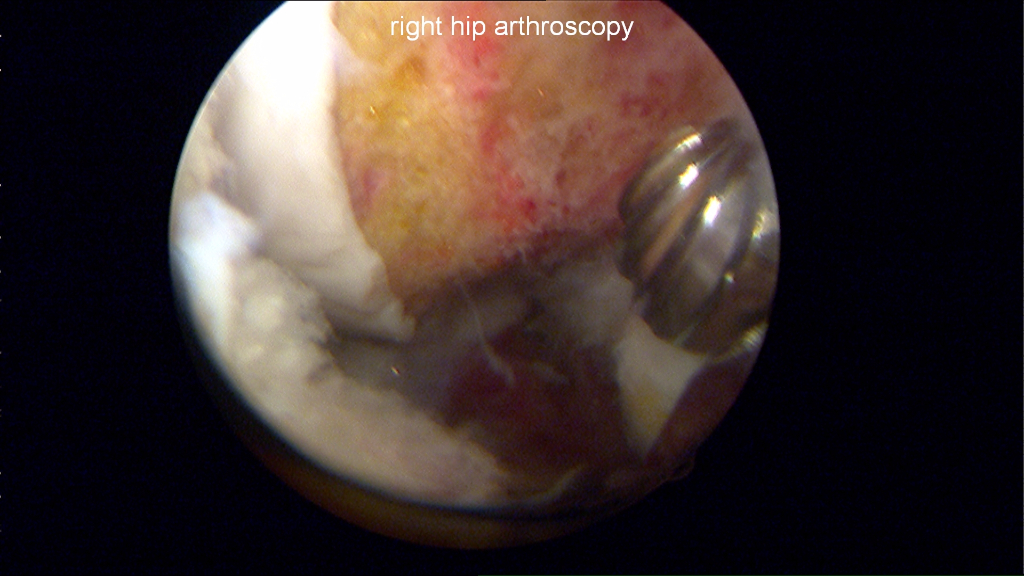
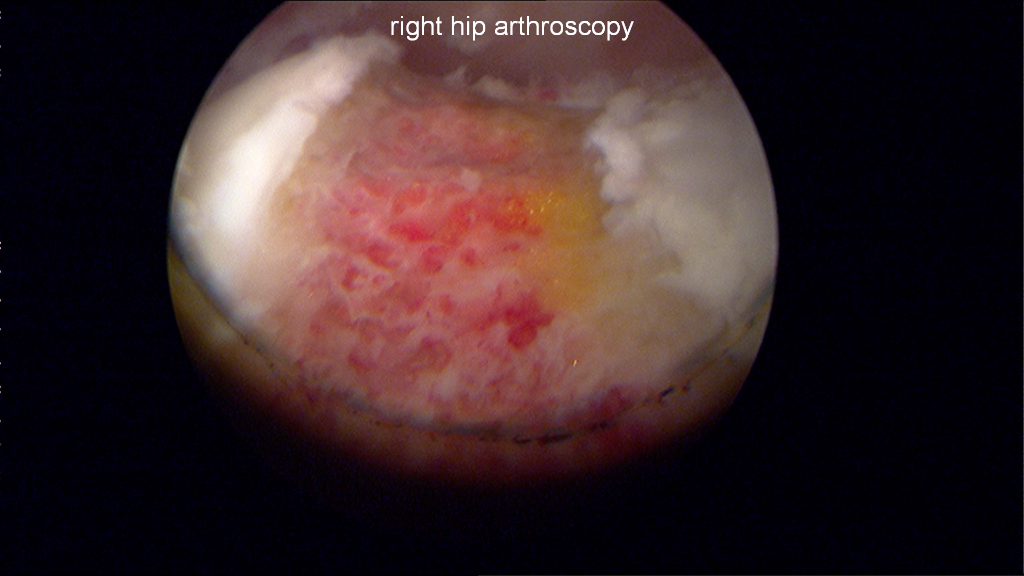
In addition to repairing damage inside the joint, surgeons can reshape the bones arthroscopically to restore a more normal hip shape.
Doctors evaluate FAI using X-rays and sometimes MRI scans or CT scans. Dr. Carreira may order additional imaging on a case-by-case basis to better evaluate the alignment of the pelvis.
Hip Arthroscopy Rim Trimming to Address Femoroactabular Impingement (FAI)
Hip Dynamic Examination as Treatment of Femoroactabular Impingement (FAI)
The hip arthroscopy video below shows the hip being moved after surgery to check that the impingement was corrected and that the labrum is no longer being pinched.
Video of Severe CAM Impingement (Femoroactabular Impingement)
Soft Tissue Impingement Removal to Address Femoroacetabular Impingement (FAI)
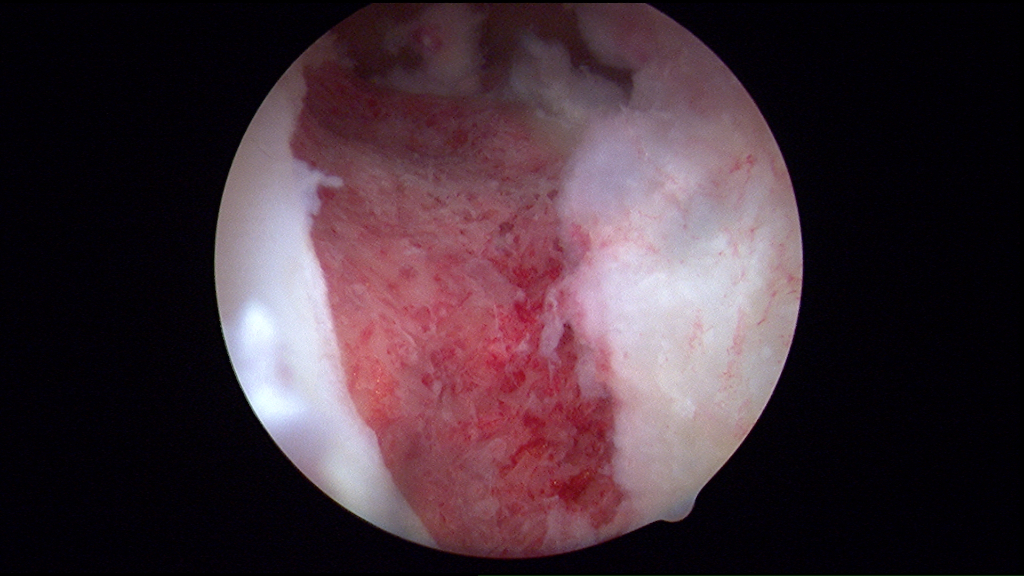
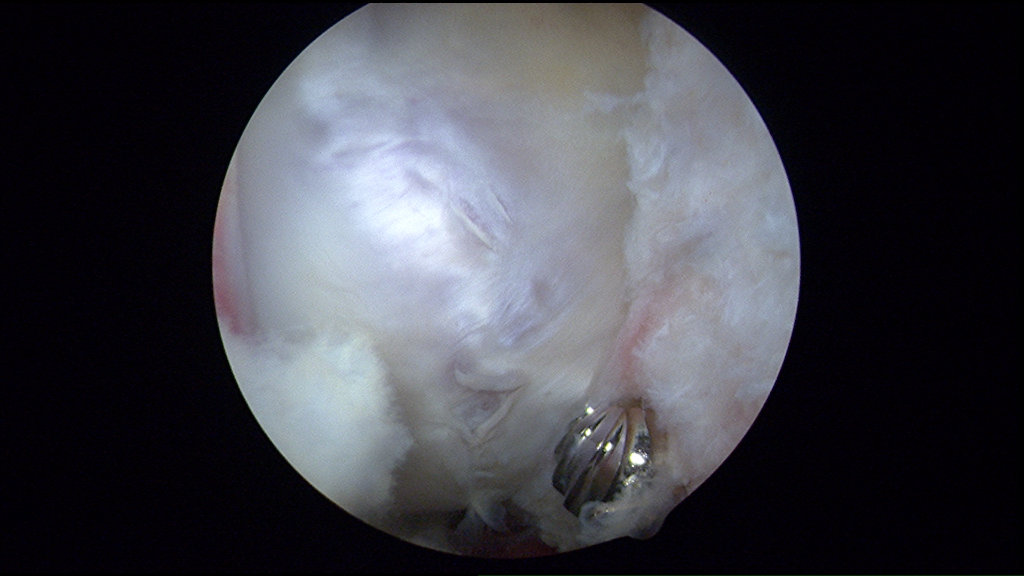
The above video demonstrates a soft tissue type of CAM impingement. In this case, thick soft tissue is causing the impingement instead of bone.
Boney CAM impingement is solved by bone saving. However, in this case, we can see that the patient has little bone impingement and rather a lot of soft tissue impingement, so the solution is to remove the extra tissue. You can see that before the surgery, the soft tissue at the femoral neck is at the bottom of the screen pushing against the labral tissue at the top of the screen.
After testing the hip through movement, doctors confirmed there was no longer pressure on the labrum with motion.
Dynamic Impingement Testing

The above image shows a process called dynamic impingement testing. In the image, the labrum and its position relative to the femoral bone are clearly visible (highlighted via the dotted yellow outline.)
A patient was suffering from limited and painful motion in the hip. Dr. Dominic Carreira conducted a dynamic impingement test, an arthroscopic procedure, to confirm that the limited range of motion and pain was a result of the labrum rubbing against the femoral bone. To address the issue, Dr. Carreira trimmed the femoral bone (via arthroscopy). The outcome for the patient is positive – they can move freely without pain. The labrum is no longer experiencing pressure from from the femoral head.
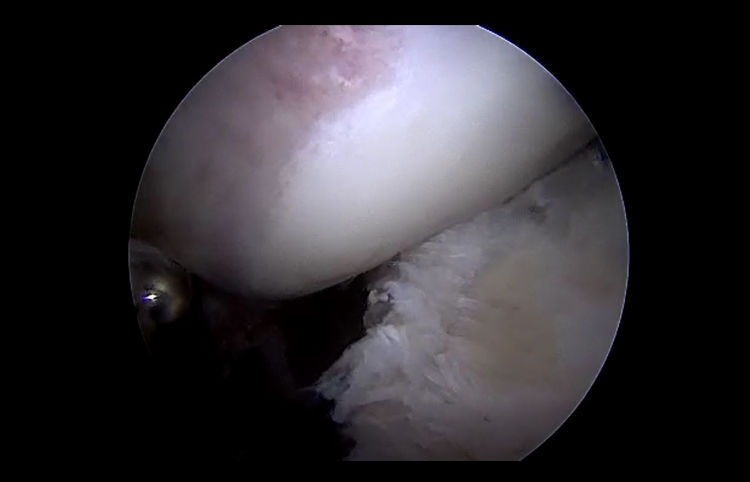
Photo of Soft Tissue Impingement

The photo provides an example of soft tissue impingement – and not the widely understood bony impingement. This soft blob of tissue was completely removed from a patient by Dr. Dominic Carreira. That soft tissue was a thickened layer of bone and soft tissue, which acts like bony impingement.
Photo of Significant CAM Impingement (Femoroactabular Impingement)
Significant CAM impingement (abnormal shape of the femoral head) noted in an 18-year-old male. High-intensity athletic activity during puberty can put additional stress on the growth plate and increase the risk of CAM deformity, which in turn increases the risk of labral tearing and long-term risk of arthritis.
Photos of Femoroacetabular Impingement (FAI)
Exercises to Avoid with Femoroactabular Impingement (FAI)
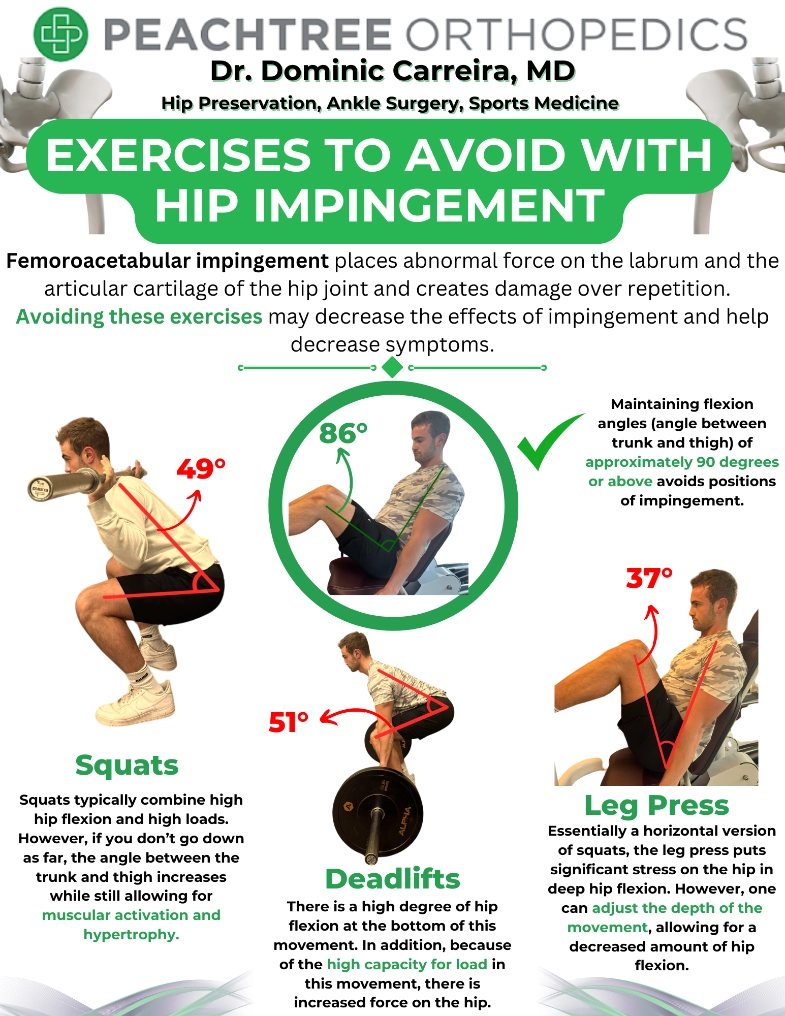
FAI places abnormal pressure on the labrum and cartilage of the hip joint. Avoiding certain exercises shown below may help reduce symptoms.
Maintaining Flexion Angles
Keeping the hips at angles with the body near 90 degrees or greater may help avoid positions that cause impingement.
Squats
Squats place large amounts of pressure on the hip because of deep bending. Doing shallower squats may help decrease stress on the joint while still allowing for exercise and muscle growth.
Deadlifts
Deadlifts involve deep hip bending and heavy weight, which can increase pressure on the hip.
Leg Press
The leg press is similar to a squat but horizontal and can place stress on the hip joint during deep bending. By bending less, one can put less stress on the hip.
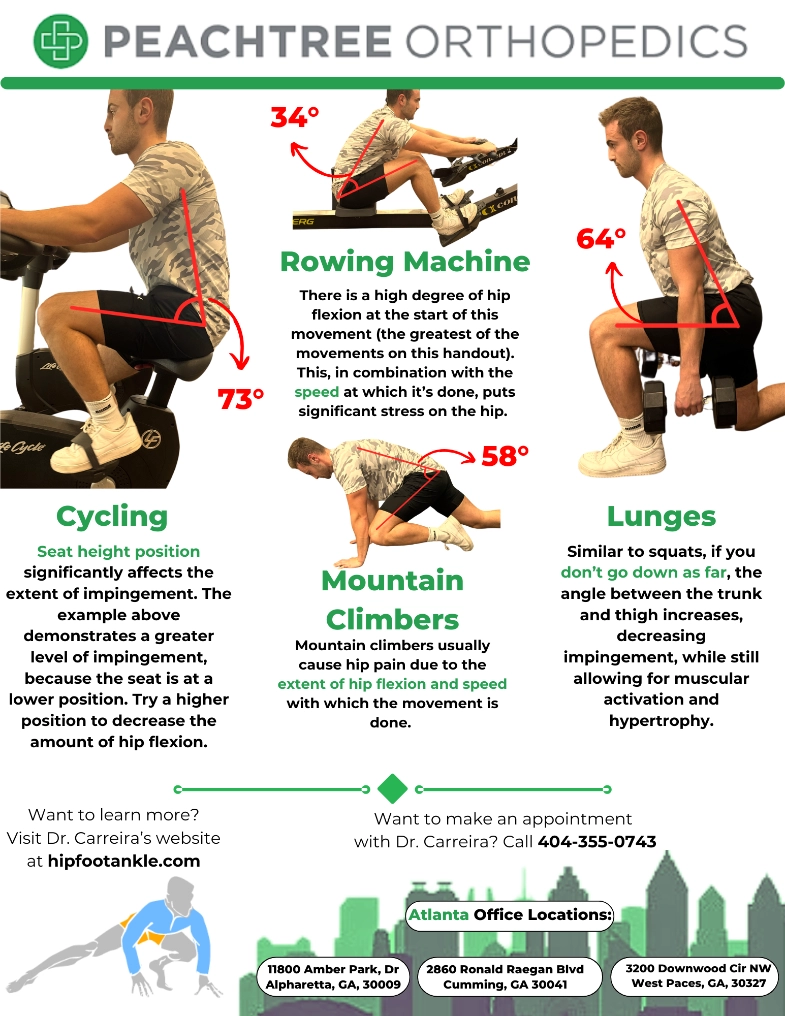
Rowing Machine
The rowing machine involves very deep hip bending and repeated fast movement, which may irritate the hip.
Cycling
Seat position greatly impacts the extent of impingement. Cycling with a low seat increases hip bending and may worsen impingement. Raising the seat height may help.
Mountain Climbers
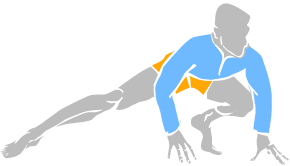
Mountain climbers can cause hip pain because of repeated fast deep hip bending.
Lunges
Lunges may also increase hip impingement if the movement is too deep. Try shallower lunges to build muscle and protect the hip.
A PDF version of exercises to avoid with FAI is available.
Dr. Carreira has also posted related videos on YouTube.